 ▾
▾Google has partnered with Kairos Power and plans to power its data centers with small modular reactors. The aim is to secure 500 MW of zero-emission energy by 2030. The ambitious plan faces both technical and societal challenges.
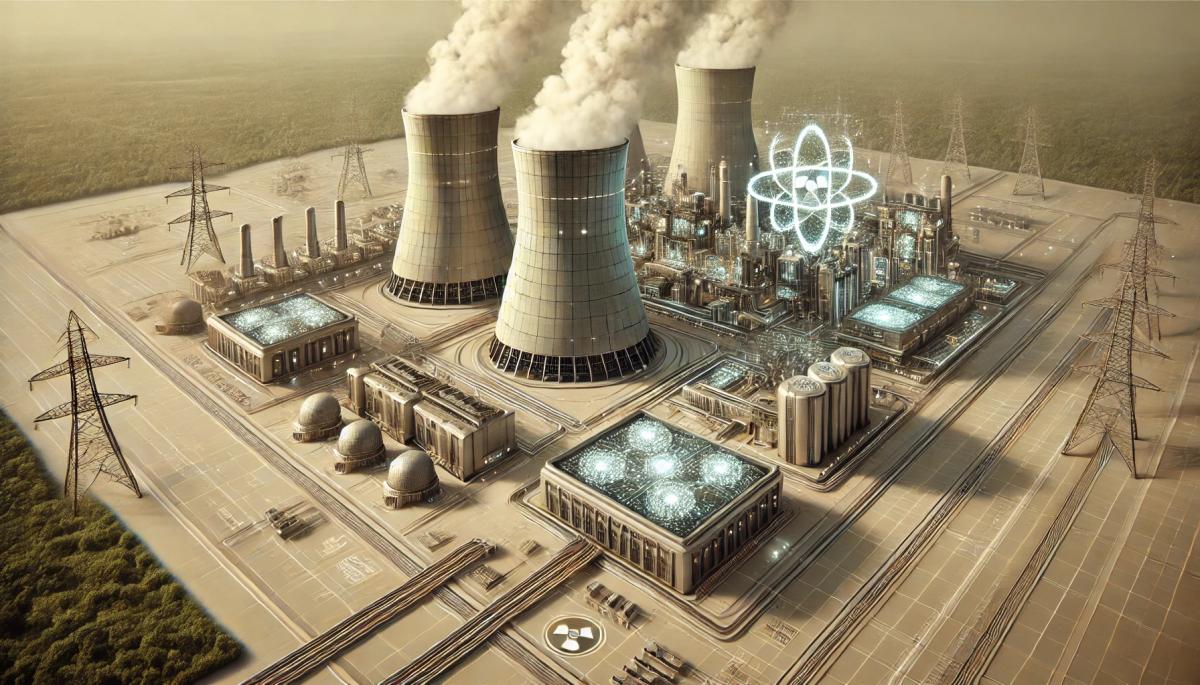
In a time when the energy demands of data centers and artificial intelligence are rapidly increasing, technology giants are seeking alternative energy sources. Google has taken a bold step by partnering with the startup Kairos Power to build seven small modular reactors to power its data centers. This step promises to add approximately 500 megawatts of zero-emission electricity to the grid.
Nuclear energy: A new hope for data centers?
Google's collaboration with Kairos Power is not unique. Other tech companies like Microsoft and Amazon are also turning to nuclear energy. Microsoft has partnered with Constellation Energy to restart a reactor at Three Mile Island.
Conversely, Amazon plans to establish a hyperscale data center directly connected to a nuclear power plant in Pennsylvania. Thus, nuclear energy is increasingly being seen as a reliable and zero-emission source for energy-intensive data centers.
Challenges and obstacles on the path to a nuclear future
Kairos Power is among the new generation of startups focused on small modular reactors (SMRs). These reactors promise lower costs and quicker construction compared to traditional nuclear power plants.
Kairos takes it a step further by using molten salts of lithium fluoride and beryllium as coolant instead of water. While the innovative approach has received approval from regulatory bodies, it also represents a technological challenge.
Google aims to complete construction by 2030
The economic aspect of SMRs has not yet been proven in practice, and the use of molten salts deviates from decades of experience with water-cooled reactors. Public opinion also poses a significant hurdle.
Although support for nuclear energy is growing, there is still a significant portion of the population opposed to its use. Google expects the new plants to be operational by the end of the decade. Kairos Power originally planned to commence commercial operation in the early 2030s, so the 2030 timeframe appears ambitious.
Furthermore, Kairos finds itself in a race with fusion startups that are also aiming to launch commercial plants by 2035. Whether Google and Kairos Power will be able to overcome these obstacles and realize their vision of nuclear-powered data centers remains to be seen.
What would happen if the internet went down for a day?

What if there was a full-day internet outage? An immediate collapse of society wouldn't occur, but daily operations would quickly become complicated because today's world is more dependent on the internet than we often realize. Which services would stop functioning first, and what would happen with payments, transportation, or work?
WPA, WPA2, WPA3: Which Wi-Fi security should you use today?

WPA, WPA2, WPA3, AES or TKIP? Wi-Fi security settings might initially seem unnecessarily complicated. However, when you understand what each abbreviation stands for, it becomes fairly simple. Therefore, we'll explain the differences between them and which is the best choice today. We'll also suggest what settings to choose if you have older devices at home that don't support the latest standard.
Is incognito mode really anonymous? Who still sees what you're doing

Do you think incognito mode hides you from everyone on the internet? In reality, it works a bit differently. We explain what it actually does, when it's sensible to use it, who can still see your activity, and whether history can be traced in incognito mode.
Why Does AI Hallucinate? A Peek Under the Hood of Language Models

AI can answer almost any question in just a few seconds. However, sometimes it confidently states information that is not true. Why does this happen and what are so-called AI hallucinations? In this article, we'll explain how large language models work, why they sometimes create false answers and how developers are gradually trying to mitigate this issue.
What is a CDN and why is internet content copied worldwide

Behind every loaded video, photo, or webpage is a technology called CDN. It is used by streaming services, social networks, and regular websites, yet many people have never heard of it. In this article, we will explain what this abbreviation means, how it works, why internet content is stored in various locations around the world, and why today's internet can hardly do without it.
Who will inherit your photos, emails and accounts? Digital legacy is rarely addressed

When talking about inheritance, most people think of a house, a car or money in the account. Yet we also leave behind thousands of photos, emails, social media accounts or data stored in the cloud. What happens to them after death, and who will gain access to them? This article looks at how digital legacy works, why the bereaved may have problems with data, and how to get organized in your online footprint today.