 ▾
▾Artificial intelligence can write articles, analyze data, and generate videos. However, there are skills and professions that this technology cannot (yet) replace. In the article, we will look at where humans still have the upper hand, why AI needs human supervision, and which abilities will become increasingly valuable to develop in the digital world.
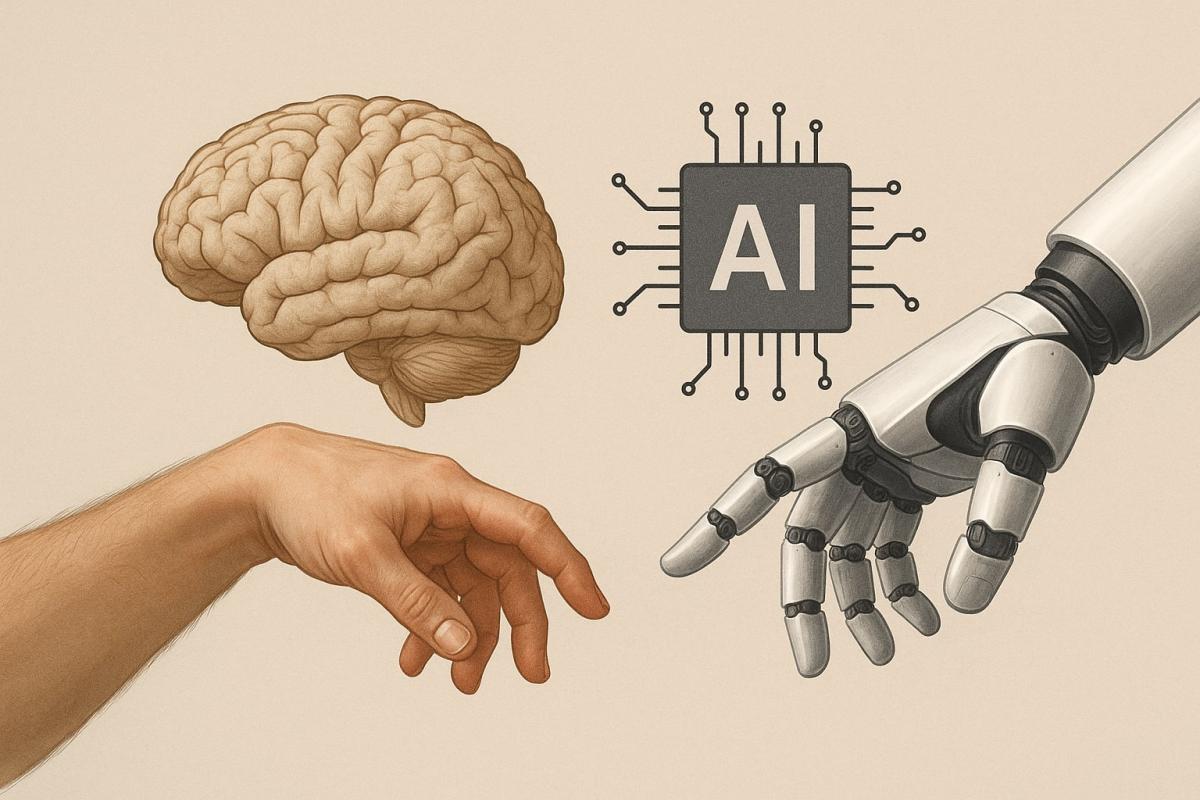
Artificial intelligence writes texts, composes music, creates images, translates, programs, or provides customer support. In many areas, it is faster and cheaper than humans, often even more convincing. Its capabilities are rapidly growing every month, often surpassing what recently seemed like an insurmountable limit.
Nevertheless, AI has not yet approached what makes people true professionals: the ability to make decisions with an awareness of consequences, to bear responsibility, and to act based on values, not just data.
In this article, we will look at where humans still have the advantage. We will show specific skills that AI cannot yet replace and types of work where the human factor is crucial—and likely will remain so for a long time. We will also explore why it makes sense to collaborate with AI but not blindly follow it. Because technology is powerful, but we still provide the direction.
What AI (still) can't do today and why
The idea that artificial intelligence can handle everything better than humans sounds intimidating. The reality, however, is more complicated. AI today can generate text, translate, program, or edit images with surprising quality, but these are still outputs created without understanding and intent. Models do not understand why they generate what they generate. They lack motivation, context, and the ability to consciously evaluate whether their response makes sense.
Here are the key areas where humans currently have the advantage:
Meaningful decision-making
AI can propose five solutions but cannot say which is best for this particular situation, at this time, with this aim. It does not understand contexts or priorities, and when decisions lead to consequences, it bears no responsibility.
Conscious evaluation and values
A model may recommend a product but doesn't know if it's morally right. It may suggest an efficient process but doesn't consider if it's fair. AI is not guided by values, just patterns in data. It needs human oversight.
Working with incomplete, unclear, or conflicting information
In the real world, data is not always clean. Humans can intuitively estimate what is missing, what is inten, when it's better to wait, and when to intervene. AI is strong in patterns but weak in exceptions and ambiguities.
Understanding broader intent
AI understands the assignment but often doesn't grasp its purpose. It can create an answer that formally looks correct but misses the essence. It doesn't know what is sensitive, embarrassing, inappropriate, or unnecessary. Without human guidance, it can easily deviate from the purpose, even if linguistically it seems confident.
Relations, empathy, trust
In leading a team, working with a client, or personal communication, we respond to trust, tone, and subtle signals. AI can simulate a conversation but cannot form a relationship. In crucial moments, we still look for a human, not a chatbot.
Professions that still belong to humans
AI can be a tool, but in some fields, we cannot do without human presence, judgment, and responsibility. Some professions currently remain the domain of humans—and all indications are that they will remain so for a long time.
Network administrators and IT technicians
AI can suggest solutions to problems but cannot wander through a server room or reconfigure a router on its own. Network administrators and technicians combine practical skills with responsibility for system security and availability.
Teachers, lecturers, and therapists
Teaching or helping people isn't just about conveying information. It depends on empathy, trust, and the ability to perceive individual needs. In interpersonal interaction, AI remains only a tool, not a partner.
Content creators and editors
AI can draft a proposal, but someone has to decide what gets published, what represents a brand, and what might be harmful. In areas like journalism, copywriting, or visual creation, humans still make the decisions.
Managers and strategic leaders
Planning, decision-making, and leading teams aren't just about calculations. Managers consider broader context, responsibility, corporate culture, and human relationships. AI can offer analysis or recommendations, but it won't take over the leadership.
Innovators and people with interdisciplinary insights
New ideas often emerge from merging unexpected influences—design, technology, psychology, biology. Where it is necessary to see connections across fields and think outside established patterns, humans still have the advantage.
Nurses, doctors, and caregivers
AI can analyze data and suggest a diagnosis but can't humanely deliver bad news, reassure a patient, or respond to their emotions. In care for humans, not just knowledge decides, but also presence, trust, and empathy.
HR specialists and coaches
Selecting a candidate based on data is not the same as choosing a person for a team. HR professionals assess motivation, collaboration ability, and personality fit. A coach or mentor then helps develop potential in ways no model can program.
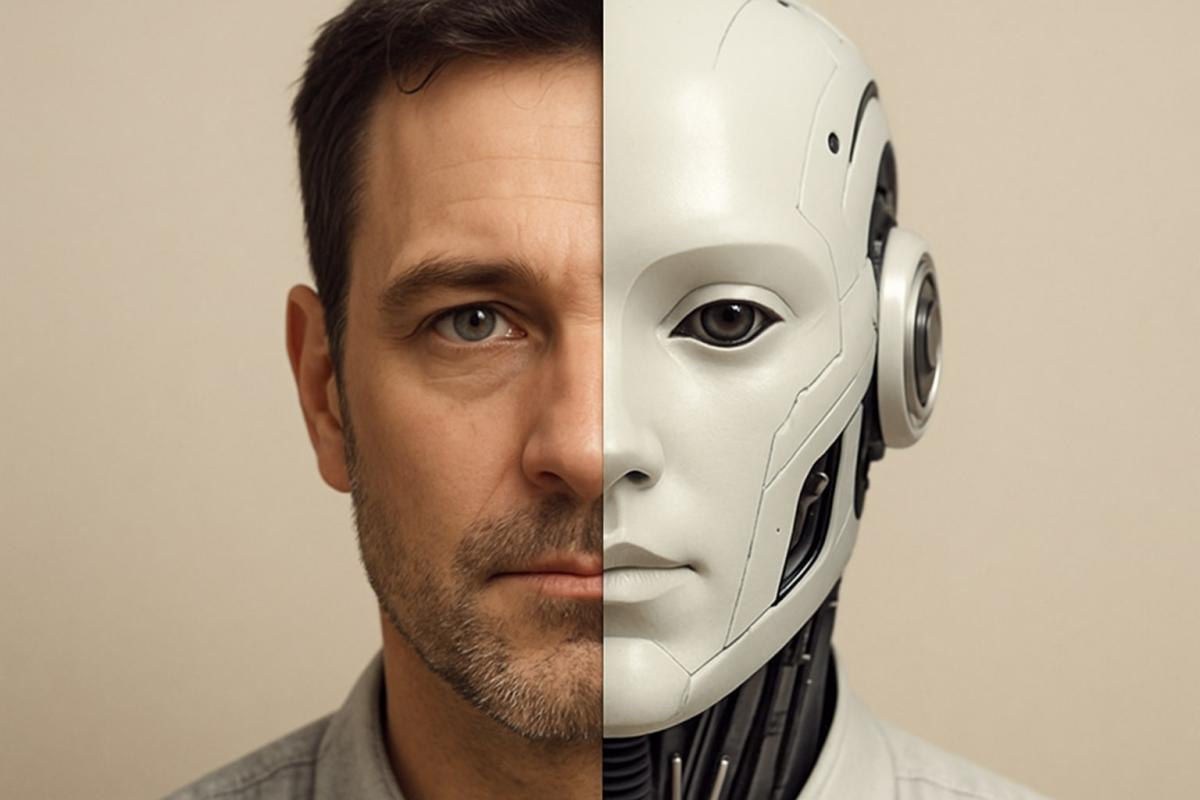
Don't lose direction. How to use AI and remain indispensable
The biggest mistake isn't using AI, but blindly entrusting it with work we don't understand ourselves. In the digital world, those who understand AI's capabilities, limitations, and way of thinking will have the advantage, not those who avoid it.
It's not about being better than a machine. It's about knowing what to use the machine for—and when human decision-making is appropriate. In the future, the most sought-after will be those who can integrate AI into their work to enhance their skills, not to replace them.
Skills that will become increasingly valuable
Critical thinking. The ability to evaluate what is relevant, what makes sense, and what needs to be questioned.
Digital literacy. Basic orientation in technology, the ability to understand what AI can(not) do and how to use it correctly.
Ethical reasoning. Assessing the impacts of decisions. Considering what is right, not just what is advantageous.
Communication and empathy. The ability to work with people, build relationships, and respond to others' needs.
Creativity and connecting contexts. Finding new paths, combining insights from different fields, and thinking outside the scope of the task.
AI as a tool, not a replacement
Artificial intelligence brings speed, convenience, and new possibilities. It can help us create, analyze, and plan if we know how to use it correctly. However, it is still a tool that requires input, context, and guidance.
The future doesn't belong to those who reject AI, nor to those who blindly follow it. It belongs to those who understand it, use it thoughtfully, and complement it with what it lacks. Discernment, context, a sense for situations—and the ability to take responsibility for the outcome.
What is a CDN and why is internet content copied worldwide

Behind every loaded video, photo, or webpage is a technology called CDN. It is used by streaming services, social networks, and regular websites, yet many people have never heard of it. In this article, we will explain what this abbreviation means, how it works, why internet content is stored in various locations around the world, and why today's internet can hardly do without it.
Who will inherit your photos, emails and accounts? Digital legacy is rarely addressed

When talking about inheritance, most people think of a house, a car or money in the account. Yet we also leave behind thousands of photos, emails, social media accounts or data stored in the cloud. What happens to them after death, and who will gain access to them? This article looks at how digital legacy works, why the bereaved may have problems with data, and how to get organized in your online footprint today.
Where does the internet really flow? Hair-thin fibers connecting continents

The idea that the internet flows mainly through the air is a myth. The entire technological world relies on heavy hardware buried in the sand of the seas. In the article, we will examine the technology of submarine cables. You will learn how optical fibers work, what laying them from ships entails, and how the depths of the oceans have become a geopolitical battlefield.
Why Subscription Fatigue Troubles Us and How to Stop Money Disappearing in 4 Steps

How much money leaves your account each month for online services? The recurring payment model often exhausts people because numerous small amounts gradually add up to unexpectedly high totals. The text relies on fresh data from 2026, reveals the vast difference between our estimates and reality, and offers four specific steps to help you better control your expenses.
Weak Wi-Fi? Internet through sockets improves stability without drilling

Do you have a 'dead zone' on a floor or in a bedroom where Wi-Fi doesn't reach, and drilling into walls is not an option? Learn how to use the electrical wiring already in your walls to transmit internet over the electrical network. In this article, we'll show you how a modern powerline adapter works, why it can handle 4K streaming and gaming, and what to watch out for with older aluminum wiring.
Wi-Fi in the car. How to create a connection for the whole crew?

Stable internet connection in the car is no longer just for the owners of the latest electric cars. Having your own car Wi-Fi is useful for anyone who wants to entertain kids in a traffic jam or needs reliable data for navigation. There are several options on how to set up a network in an older car as well. We'll show you how to get it all working and which variant will save you the most nerves and money on data transfers.