 ▾
▾Do you want to know what awaits us in 2050? Forget flying cars, the real revolution will happen online. Artificial intelligence will advise us on what to wear, smart homes will take care of shopping, and in virtual reality, we will have coffee with a friend from across the world.
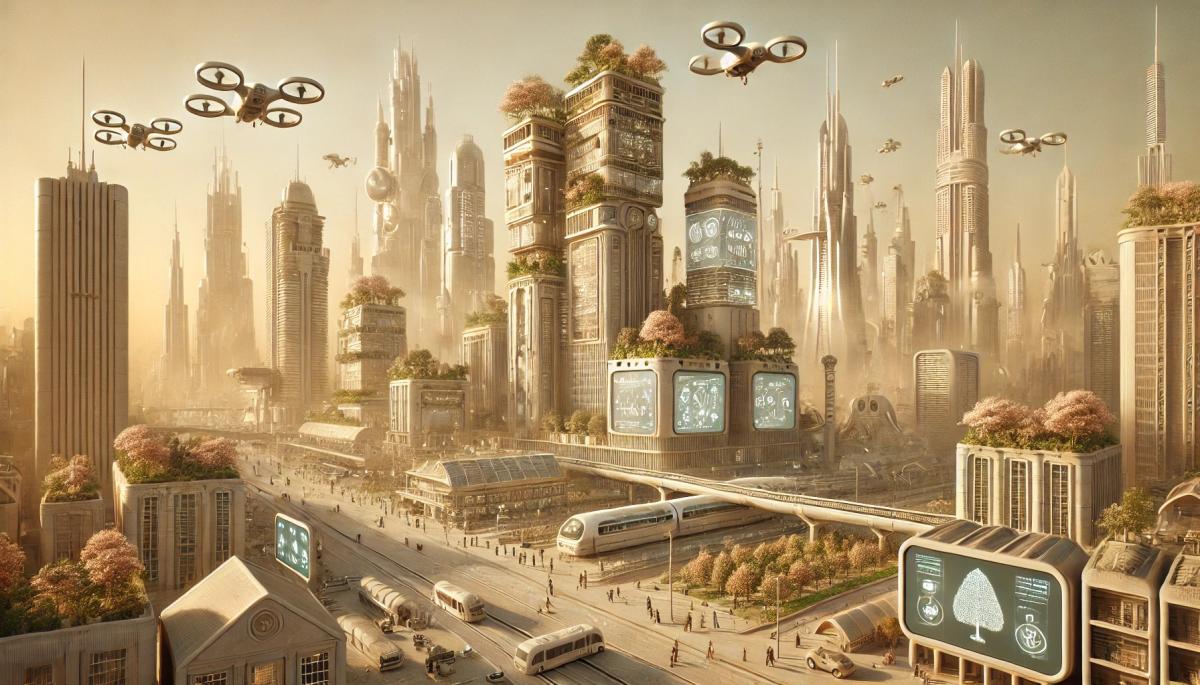
We live in an era of technological revolution, which continuously brings new discoveries. That is why some predict that our world will look like a true sci-fi movie in a few years. But is this really the case? Join us as we explore where, according to some experts and scientists, we might be heading by 2050.
Ubiquitous artificial intelligence
Our daily lives will likely depend on artificial intelligence. Instead of single-use applications or smart assistants as we know them today, AI will become a universal guide, recognizing our moods, needs, and even predicting our desires.
Thanks to advanced machine learning, artificial intelligence will be able to provide tailored advice in areas such as education, healthcare, and personal finance. However, it will also bring many ethical questions, including how to ensure it respects users' privacy and does not jeopardize their safety.
This will also lead to an increase in legal disputes, prompting governments worldwide to introduce new legislation and regulations.
The internet of things on an entirely new level
The Internet of Things (IoT), or the interconnection of physical devices and systems via the internet, will experience tremendous growth by 2050. Imagine cities where everything from transportation systems to home appliances is connected and automated.
Smart homes will become the standard, with your house responding to your wishes and needs without you having to do anything. Your refrigerator will automatically order groceries, lighting will adjust to your mood, and your mirror will offer lifestyle recommendations based on your health analysis.
Virtual and augmented reality
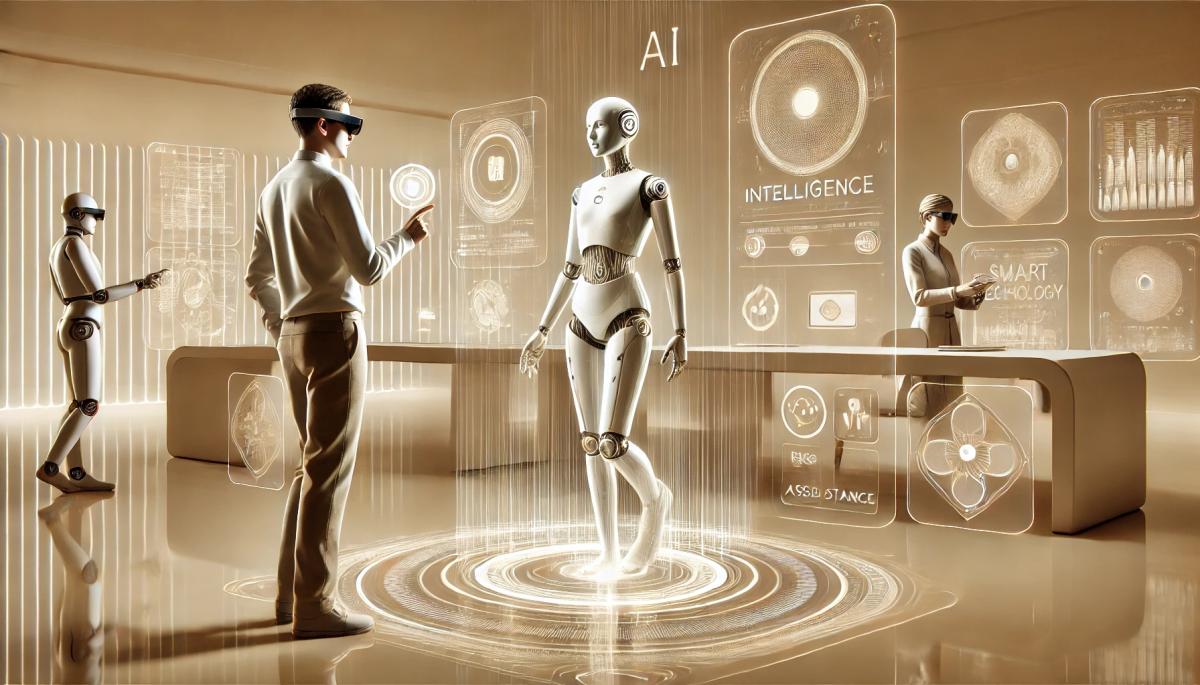
With the further development of virtual (VR) and augmented reality (AR), the line between the digital and real world will blur even more. People will be able to enter entirely different realities through VR and AR or enrich their everyday reality with digital elements.
Work, education, and social interactions will move into the virtual space, where people will meet, have fun, and collaborate regardless of distance. We might be heading towards a time when even personal doctor visits or business meetings take place in the digital realm, using realistic avatars in environments that perfectly mimic the real world.
Blockchain and data security
Blockchain technology has the potential to significantly affect the security and transparency of the online world. It is expected that by 2050, blockchain systems will be the foundation of all digital transactions, contracts, and identities.
This technology will enable more secure and transparent data processing, which could reduce cyber threats and fraud. The future of blockchain might also include decentralized social networks and applications, where each user controls their data without relying on central servers.
Digital economy and the future of work
Work in 2050 will look completely different from today. With the rapid rise of automation and AI, many current professions will become a thing of the past. However, the digital economy will offer new opportunities and job roles that we don't even know about today.
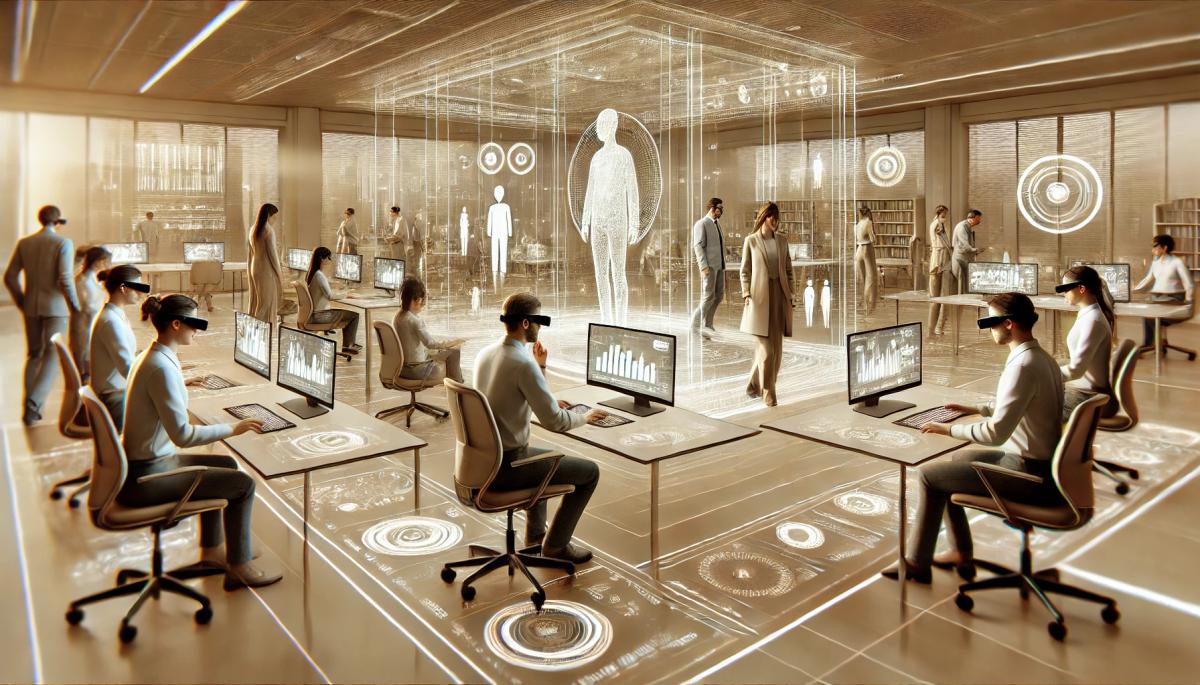
Traditional office environments will be replaced by virtual offices, where people work through VR headsets. Flexibility of work and new forms of digital skills will become crucial aspects.
The form of education will also change, being more focused on technology, data, and creativity. Instead of traditional studies, there will be a growing demand for online courses, allowing people to change jobs within months without studying for years.
Advanced personalization and digital identity
Digital identity and personalization will reach new levels. Thanks to advanced data analysis and machine learning, applications and services will be tailored to the specific needs and preferences of users.
By 2050, every user will have a unique digital "signature" that will accompany them across all digital services, from social networks to banking services. However, digital identity will also raise questions about privacy and security, leading to a higher demand for technologies that protect privacy.
Interactive entertainment and games
Online entertainment and the gaming industry will undergo significant transformation. Games in 2050 will offer realistic virtual worlds that respond to every player’s movement and gesture. Virtual concerts, festivals, and interactive shows will bring entertainment directly to viewers in the form of a fully immersive digital experience.
With advancements in VR and AR, it will be possible to literally step into the story of movies and series, becoming the main character and influencing the plot. Entertainment in 2050 will be a completely different experience than we know today.
The online world in 2050 promises amazing possibilities and innovations that will change our daily lives. From artificial intelligence to virtual reality, technologies will connect people across continents, provide personalized services, and offer new forms of entertainment. However, the future will also bring many challenges, especially in the area of security and ethics.
Phone instead of a card or key. What is NFC and how does it work?

Just hold your phone up to a terminal and within moments the payment is made. However, NFC technology is capable of much more. We will explain what NFC is and how it works, what actually happens during NFC mobile payments, what else you can use it for, and how secure it is. We will also show what NFC tags are and how they can simplify some daily tasks.
What would happen if the internet went down for a day?

What if there was a full-day internet outage? An immediate collapse of society wouldn't occur, but daily operations would quickly become complicated because today's world is more dependent on the internet than we often realize. Which services would stop functioning first, and what would happen with payments, transportation, or work?
WPA, WPA2, WPA3: Which Wi-Fi security should you use today?

WPA, WPA2, WPA3, AES or TKIP? Wi-Fi security settings might initially seem unnecessarily complicated. However, when you understand what each abbreviation stands for, it becomes fairly simple. Therefore, we'll explain the differences between them and which is the best choice today. We'll also suggest what settings to choose if you have older devices at home that don't support the latest standard.
Is incognito mode really anonymous? Who still sees what you're doing

Do you think incognito mode hides you from everyone on the internet? In reality, it works a bit differently. We explain what it actually does, when it's sensible to use it, who can still see your activity, and whether history can be traced in incognito mode.
Why Does AI Hallucinate? A Peek Under the Hood of Language Models

AI can answer almost any question in just a few seconds. However, sometimes it confidently states information that is not true. Why does this happen and what are so-called AI hallucinations? In this article, we'll explain how large language models work, why they sometimes create false answers and how developers are gradually trying to mitigate this issue.
What is a CDN and why is internet content copied worldwide

Behind every loaded video, photo, or webpage is a technology called CDN. It is used by streaming services, social networks, and regular websites, yet many people have never heard of it. In this article, we will explain what this abbreviation means, how it works, why internet content is stored in various locations around the world, and why today's internet can hardly do without it.